



















Ask our opticians

Ask Now

How To Prevent Glasses From Fogging

By Amanda Albuquerque
Reviewed by Maria Horan FBDO

Maria Horan FBDO

Reviewed by

Maria Horan FBDO
Maria holds a BSc Honours in Ophthalmic Dispensing and has over 17 years of optical experience.

Foggy glasses might seem unavoidable in certain situations, but everything will be clearer when you read this guide.
foggy glasses

If you wear glasses, you’ve probably dealt with sudden lens fog—one second you’re seeing clearly, the next, it’s like walking into a cloud. Whether you’re sipping a hot drink or stepping into a warm room after being out in cold weather, foggy glasses can be frustrating. 

The good news is that there are ways to stop your lenses from fogging up. In this article, we’ll breakdown why it happens and share easy tricks to deal with that.

Why do glasses fog up?

The reason why glasses fog is due to condensation, the process in which water vapor cools down enough to turn into liquid. 

You might have noticed that fogging tends to happen when warm and humid air hits the surface of your lenses, such as checking something in the oven or stepping into a warm room after being in a cold environment.

In these examples, warm air hits the cool surface of your lenses, turning vapor into microscopic water droplets, which is the fog you see.

foggy glasses

However, there are other factors that can cause your glasses to be foggy. Some of these include:

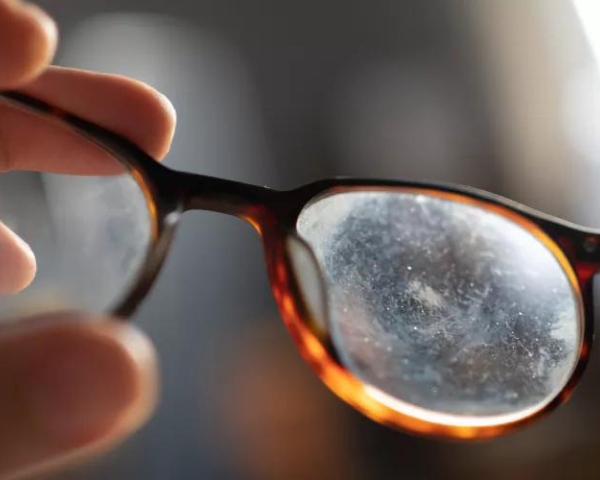
Lens coating: over time, the coating on the lenses will degrade, making them appear cloudy as if they are fogged up. If that happens, we recommend investing in better-quality coatings that last longer.

Improper lens care: if we’re not careful, not taking care of our glasses can lead to them getting damaged. If scratches accumulate over time, it can result in extra costs for replacement.

scratched glasses

How to prevent glasses from fogging up

While we can’t control the weather or sudden temperature changes, there are various ways we can help prevent foggy lenses (or at least reduce the phenomenon).

Here are a few simple tricks for preventing foggy glasses:

1. Invest in anti-fog lens spray or wipes

A simple solution is to use anti-fog sprays or wipes. 

Anti-fog wipes are an effective pre-emptive solution that doesn’t cause any harm to the lenses and prevent them from fogging. They are also lightweight, making them practical to carry around. 

Anti-fog sprays also prevent lenses from fogging and are generally safe and hypoallergenic. That said, remember to read the label before purchasing the spray as some can lead to skin irritation if used incorrectly. Luckily, they are easy to apply and last for a long time.

2. Regularly clean your glasses

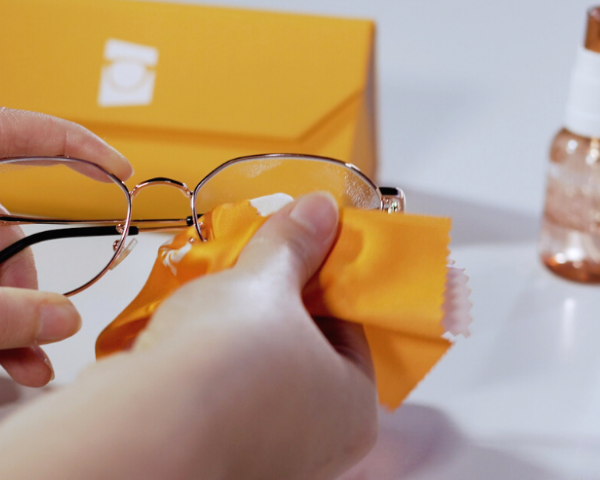
Over time, the lenses of the glasses can attract bits of dirt and become scratched. That is why properly cleaning your glasses is key to maintaining them and preventing fogging.

cleaning glasses

Cleaning them is easy: simply spray your lenses and frames with a suitable optical cleanser and wipe the excess with a microfiber cloth. Also make sure to store your frames in a protective case when not wearing them.

It’s important to note that using dish soap, salt water and window cleaner solutions is not recommended, as they may break down the lens coatings over time.

When the glasses are placed too close to the eyes, there is less room for air to flow through and blow away moisture, increasing the probability of fog building up.

Try to place and keep your frames a little further down your nose and away from your eyes.

DID YOU KNOW?

It might be convenient, but cleaning your glasses with your t-shirt or other items of clothing can actually damage the lenses. This is due to the small fibers and uneven surfaces that can create tiny scratches over time.

Bonus: extra tips for mask wearers

In times of COVID, glasses wearers experienced constant fogging of the lenses while wearing a mask. That happens because when your warm breath escapes from the top of your mask, it hits the lens surface, which is much cooler than your breath. 

If you wear face masks, here are some steps you can try to help prevent foggy lenses:

  • Your glasses and mask need to be a correct fit, secure the mask over your nose bridge, as this will reduce the amount of air that may escape from the top.
  • Use your glasses to help create a better seal along the top of your mask.
  • Get a mask equipped with an adjustable nose clip to tighten over your nose bridge.
  • If the mask doesn’t have a nose clip, try using adhesive silicone nose clips.
  • Try wearing your glasses slightly lower on your nose to allow more air to flow between the mask and the glasses.
  • Use a small amount of tissue paper under the nose clip of your mask, giving an extra layer to fill in the gaps.

What is the best solution for me?

Glasses can benefit from anti-fogging solutions such as those described above to help prevent fogging and keep the lenses clean. This applies to different types of glasses, including prescription and safety glasses.

If you wear prescription glasses daily, investing in protective coatings and anti-fog solutions will help protect not only your glasses but also your vision comfort as you go about your daily tasks.

The same goes for sports or work safety glasses used to perform tasks that may endanger your vision; proper lens coatings and anti-fog solutions will guarantee better performance. 

fogless coating

This is particularly important for safety glasses as they need to conform to higher standards compared to regular eyeglasses.

These can be fitted with both prescription or plano lenses (prescription-free), and the same protective coatings that can be applied to regular glasses can be applied here.

Though it’s already quite uncomfortable when regular glasses fog up, it’s not only annoying but also dangerous when this happens to safety glasses.

If you work with hazardous liquids or love swimming with sharks, the last thing you need is for your safety glasses to fog up and blur your vision.

That’s why preventing these glasses from fogging up with anti-fog wipes, anti-fog sprays and proper positioning on the nose bridge is even more important. 

Regardless of your glasses type, we recommend trying out different anti-fogging solutions to see what works best for you.

Unfog your vision

Foggy lenses don’t have to be a daily annoyance. With anti-fog sprays, proper cleaning habits, and smart mask hacks, you can keep your glasses fog-free and your vision clear in any environment.

The solutions discussed here will go a long way in clearing up your vision, but if you’re looking for more expert advice, you can also reach out to our opticians. They’ll be happy to help you choose the right coatings and solutions for your needs and lifestyle.

Related articles

Sunglasses: Myths and Misconceptions
Learn the truth behind common myths about sunglasses
View more
How to Tell if Your Sunglasses Are Polarized
Learn why you may need polarized lenses and how to tell if your glasses already have polarization or not.
View more

Are Progressive Lenses Right for You?
Learn what progressive lenses are, how they work, and who they're best suited for.
View more

Related articles

Sunglasses: Myths and Misconceptions
Learn the truth behind common myths about sunglasses
View more
How to Tell if Your Sunglasses Are Polarized
Learn why you may need polarized lenses and how to tell if your glasses already have polarization or not.
View more
Are Progressive Lenses Right for You?
Learn what progressive lenses are, how they work, and who they're best suited for.
View more

Leave a comment

Your email address will not be published. Required fields are marked *