













Ask our opticians

Ask Now

What Causes Distorted Vision?

By Amanda Albuquerque
Reviewed by Beck Jinnette

Beck Jinnette

Reviewed by

Beck Jinnette
Beck has over 17 years of experience in eyecare and holds her Certificate IV in Dispensing in Australia.
Distorted vision alters how objects appear in size, shape, or alignment. It can result from refractive errors, temporary or more serious conditions.
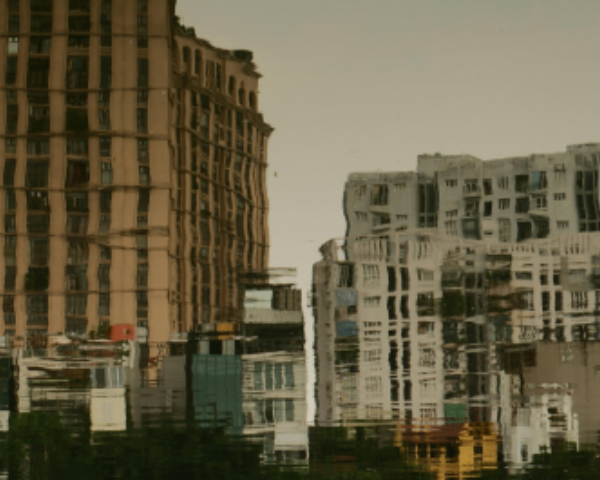
Two buildings seen through distorted vision

Distorted vision, also known as vision disturbances, directly affects the ability to see familiar objects, causing them to appear different in size, shape, or alignment. 

Straight lines may appear bent and flat objects may appear rounded. It is often a symptom of a greater eye or overall health issue.

Various factors can cause this issue, ranging from refractive errors like myopia and astigmatism to temporary conditions like eye infections. 

In more severe cases, conditions like glaucoma may be the cause. Identifying the source is crucial for proper treatment.

Types of Distorted Vision

There are several types of distorted vision, each affecting how objects are perceived. Two very common examples are blurred and double vision.

Blurred Vision

Blurred vision occurs when objects appear hazy or out of focus, making it difficult to see fine details. 

High view of forest. Left half blurry, right half normal

Symptoms may include difficulty focusing, squinting, headaches, and eye strain. Temporary causes of blurry vision may also include fatigue, eye strain from prolonged screen use, or prolonged exposure to bright light.

If you’re experiencing blurry vision, it would be best to discuss it with your eye doctor, as it may indicate refractive errors, such as myopia, hyperopia, or astigmatism, as well as eye conditions like cataracts, dry eye syndrome, or corneal damage.

Double Vision

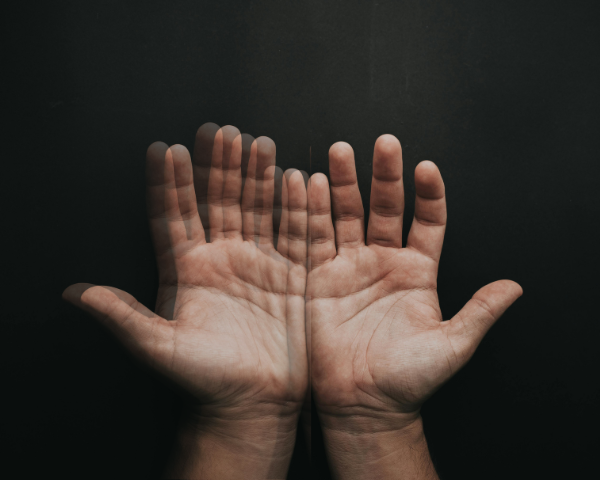
Commonly known as “diplopia”, double vision occurs when the eyes are not aligned properly or are unable to work together to focus on the same point, causing the person to see two images of a single object either side-by-side, on top of each other, or both.

Two hands facing up. Hand on the left is doubled, hand on the right is normal

Some of the symptoms can include headaches, eye drooping, dizziness, and eye pain when moving the eyes.

DID YOU KNOW?

Certain medications, including those for high blood pressure and allergies, can cause visual distortions as side effects. 

Causes of Distortions

Vision disturbances may indicate underlying health issues, requiring attention and care. Some of their potential causes are:

Refractive errors: Myopia (nearsightedness), hyperopia (farsightedness), and astigmatism can all cause light to focus incorrectly, resulting in visual disturbances.

Eye Conditions: Cataracts, dry eye syndrome, and corneal damage can cloud or blurred vision.

Other causes: More serious conditions like diabetic retinopathy, glaucoma, or macular degeneration can damage the retina or optic nerve, distorting sight and potentially leading to vision loss.

Related Symptoms

While distorted vision is often a primary symptom of a health-related condition, it can also be accompanied by other symptoms depending on the potential underlying cause.

Blurry or fuzzy vision, eye strain, and frequent squinting, especially when attempting to focus on distant or nearby objects are usually symptoms related to refractive errors.

When it comes to other eye problems, cataracts can cause haziness and halos around lights, while dry eye syndrome may lead to burning, stinging, or redness. Corneal damage can result in distorted or cloudy vision.

Serious health conditions may cause blind spots, wavy lines, or a loss of peripheral vision, potentially leading to vision loss if untreated.

Risks Related to Distorted Vision

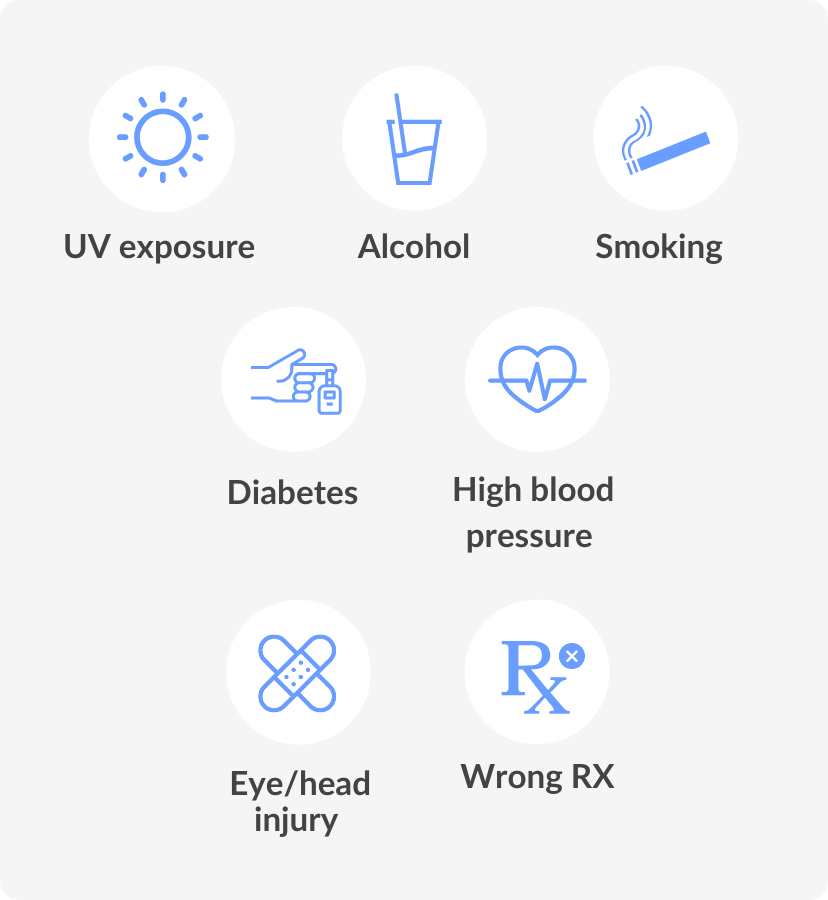
Although not all vision distortion can be prevented, certain risk factors increase the likelihood of developing this issue. These include:

  • Wearing an incorrect prescription for glasses or contact lenses
  • Failing to wear sunglasses outdoors
  • Failing to seek medical attention after an eye or head injury
  • Uncontrolled high blood pressure or diabetes
  • Smoking and excessive alcohol consumption
Sun icon with caption "UV exposure" Glass icon with caption "Alcohol" Cigarette icon with caption "Smoking" Finger drawing blood icon with caption "Diabetes" Heart rate icon with caption "High Blood Pressure" Band-aid icon with caption "eye/head injury" Rx icon with caption "Wrong Rx"

By acknowledging these risk factors, you can reduce the chances of experiencing distorted vision and protect your eye health.

Treatments and Prevention

Fortunately, there are several treatments to correct distorted vision. However, it is essential to first consult with an eye doctor or get a comprehensive eye exam to identify the underlying causes of the issue.

Some common distorted vision treatment options are:

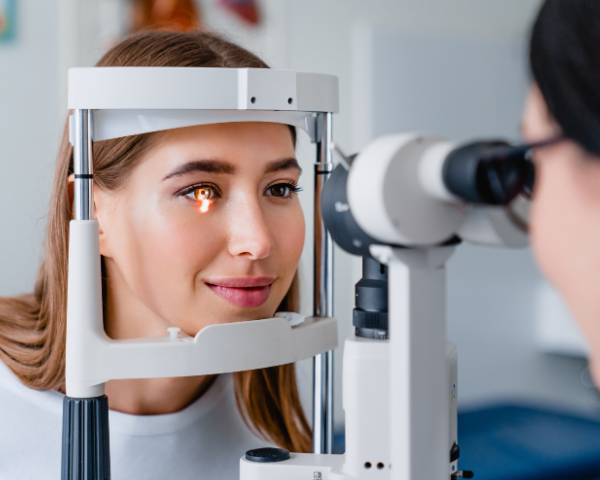
Eye exams: The Amsler grid test checks for visual distortions, while additional tests such as blood and urine tests, CT scans, and dry eye assessments evaluate moisture levels in the eyes. These tests help identify the underlying causes of distorted vision.

Woman getting an eye exam

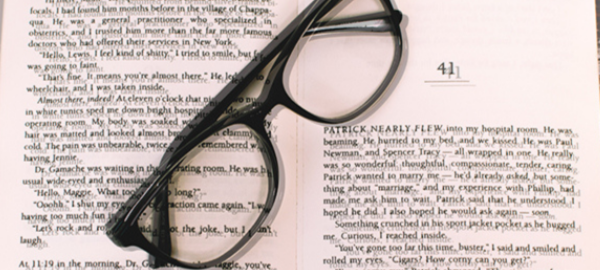
Corrective lenses: If refractive errors are causing vision distortion, prescription eyeglasses and contact lenses may be an option to restore clear vision.

Medications: Prescription eye drops can treat distortion-causing conditions such as conjunctivitis and dry eye syndrome.

Surgery: Surgical options may be necessary depending on the severity of the condition, including procedures for cataracts, retinal detachment, and keratoconus.

Emergency Care: Sudden changes in vision, such as severe headaches, loss of muscle control, or facial drooping, may indicate a medical emergency and require immediate attention.

Stay on top of your Eye Health

Although visual distortions don’t typically pose immediate risks, some cases may require urgent medical attention. If you experience sudden distorted or blurred vision, don’t wait—contact your eye doctor right away.

You can also ask one of our opticians if you have any more questions about refractive errors or general eye health. 

Being proactive can help protect your vision and overall eye health. Remember, early detection is key to effective treatment.

Related articles

Double Vision: Symptoms, Causes, and Treatments for Diplopia
Double vision can be disorienting, but learning to spot the symptoms early can help minimize its effects.
View more
What Causes Blurred Vision?
Blurred vision has a long list of potential causes, but these condition are responsible in the majority of cases.
View more

Leave a comment

Your email address will not be published. Required fields are marked *