


















What Are Polarized Sunglasses?
Reviewed by
Maria Horan FBDO
Overview
How do polarized sunglasses work?
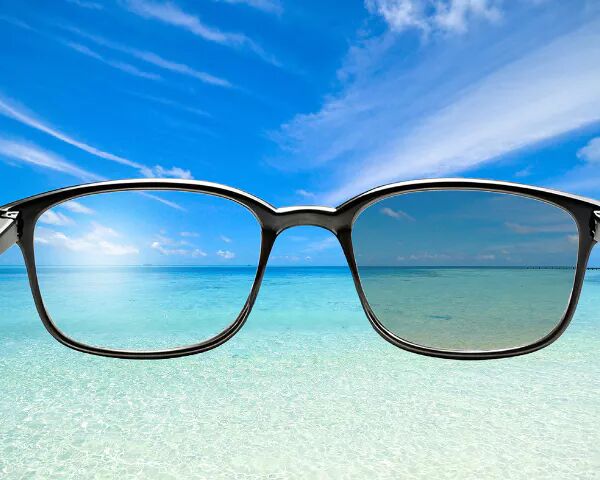
Polarized lenses are designed with a special chemical filter that blocks horizontal light waves, which are the kind responsible for glare. They let vertical light waves pass through, which helps your eyes see natural detail without harsh brightness.
This means:
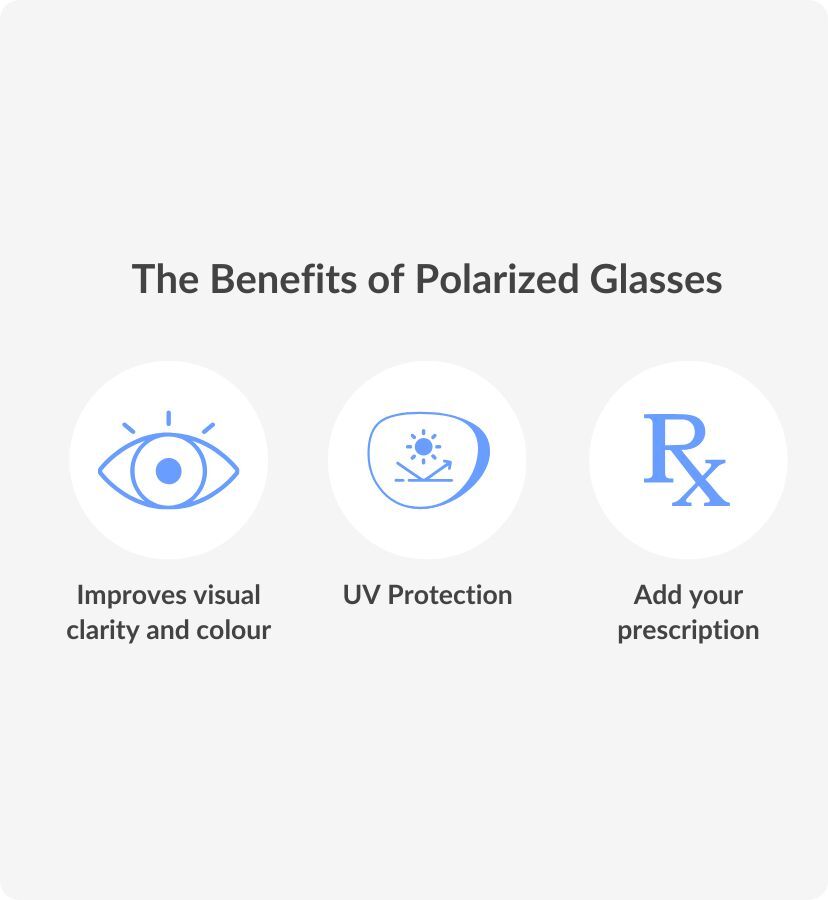
Reduced brightness from reflected light
Better depth perception and contrast
More vivid, natural-looking colors
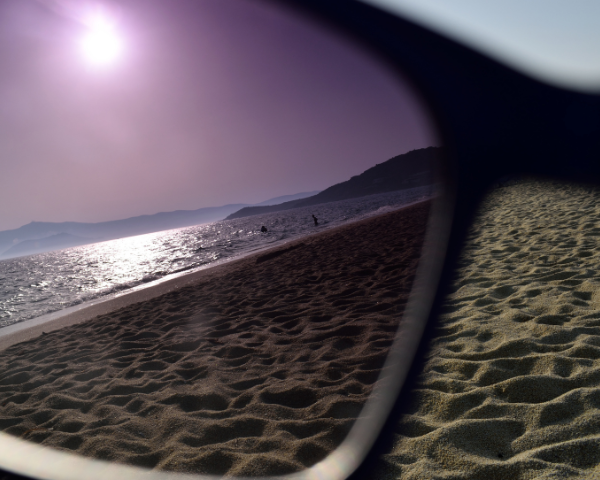
If you’ve ever worn polarized lenses on a lake or at the beach, you’ll notice the surface reflection disappears, revealing what’s underneath.
When should you wear polarized sunglasses?
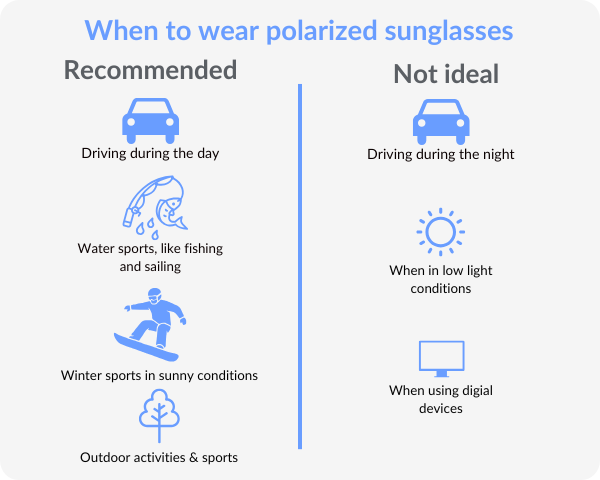
Polarized sunglasses are best used outdoors in bright light, especially when glare is a concern.
Polarized lenses are ideal for: driving, water sports, skiing, and beach activities.
They are not recommended for: reading LCD screens, flying, or low-light and nighttime conditions.
How to tell if sunglasses are polarized
Quick test: hold the lenses up to a reflective surface (like a phone screen or window) and rotate them 90°. If the lenses darken significantly as you rotate, they’re polarized.
Want to check if your sunglasses are polarized? Here are two simple ways:
- The glare test: Look through the lenses at a reflective surface (like a car windshield or water). If glare is reduced, they’re polarized.
- The screen test: Put on the sunglasses and look at your phone or tablet. Rotate the screen 90 degrees. If the screen turns dark or black, your lenses are polarized. (Note: works better on older LCD screens.)
Benefits of polarized sunglasses
Are there any drawbacks?
The main drawbacks of polarized lenses are reduced visibility of LCD screens (ATMs, dashboards, phones), potential difficulty in icy driving conditions, and a slightly higher price than standard tinted lenses.
Polarized lenses aren’t perfect for every situation. Consider these points:
They can make it harder to read certain digital screens (like phones, GPS, or plane instruments)
Not recommended for aviation or jobs requiring screen visibility
Some users feel polarization alters depth perception slightly (usually a short adjustment period)
Polarization vs UV protection
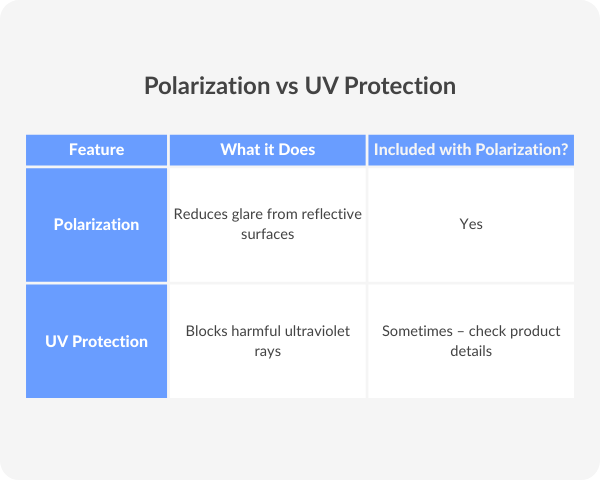
UV protection and polarization are two features that are often confused, but they serve different purposes:
Polarization and UV protection are not the same thing — polarization reduces glare, while UV protection blocks harmful ultraviolet rays. You need both for full eye protection in the sun.
EXPERT'S TIP!
“Polarized sunglasses are one of the easiest upgrades you can make if you spend time outside. They instantly reduce visual discomfort and help you see more naturally, especially around water, roads, or snow.”
Maria Horan, Dispensing Optician
Final takeaways
Polarized sunglasses are a smart investment for anyone who spends time outdoors. They reduce glare, improve comfort, and help protect your eyes in bright, reflective environments.
Still unsure? Speak to one of our certified optical experts for personalized advice.
Shopping for glasses online has never been easier at SmartBuyGlasses, where you can consult an online optician about eye care anytime.